
Condition
Sacroiliac Joint Pain
Sacroiliac joint pain causes deep buttock and lower back pain where the pelvis meets the spine, and accounts for up to 30% of lower back pain cases.
Book a consultation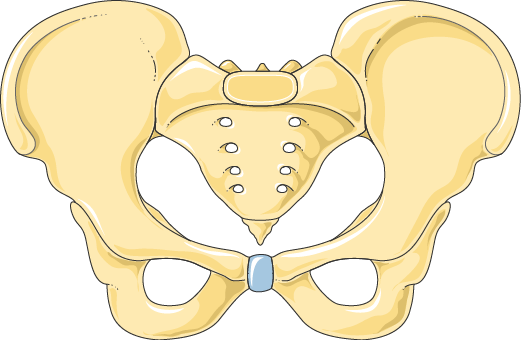
What is Sacroiliac Joint Pain?
The sacroiliac (SI) joints connect the sacrum (the triangular bone at the base of the spine) to the iliac bones of the pelvis, one on each side. These joints bear significant load during walking, standing, and any weight transfer between the upper and lower body. They move very little, but when they become inflamed or dysfunctional, the pain they produce can be substantial and easily confused with disc or nerve pain.
Sacroiliac joint disorders account for approximately 15 to 30% of lower back pain cases, though they are frequently missed or attributed to other spinal structures. The causes include osteoarthritis, inflammatory conditions like ankylosing spondylitis or psoriatic arthritis, pregnancy-related ligament laxity, and direct trauma. The joint can also become painful after lumbar spinal fusion surgery, which alters load distribution across the pelvis.
Diagnosis relies primarily on clinical examination and response to a diagnostic injection, not imaging. An SI joint block with local anaesthetic, which temporarily numbs the joint, is the most reliable way to confirm the diagnosis.
Symptoms
- Deep pain in one or both buttocks, sometimes extending into the lower back or upper thigh
- Pain that is worse with prolonged sitting, standing, climbing stairs, or rolling over in bed
- Morning stiffness that improves with gentle movement
- Tenderness over the SI joint, felt as a point roughly just below the dimple of the lower back
- Pain with a single-leg stance or when transferring weight onto one leg
- Aching into the groin in some cases
How We Treat It
We confirm the SI joint as the pain source with a diagnostic injection before committing to any treatment. This matters: SI joint pain and lumbar facet or disc pain can feel very similar, and treating the wrong structure wastes time. Once confirmed, intra-articular steroid injections into the SI joint reduce inflammation and can provide significant relief for several months.
For persistent or recurrent pain, we assess whether a longer-term approach such as radiofrequency ablation of the lateral branch nerves supplying the joint is appropriate. We also address contributing factors where relevant: for example, altered gait mechanics following lower limb injury, or pelvic instability following pregnancy. SI joint pain responds well to targeted intervention when the diagnosis is correct.
How we treat Sacroiliac Joint Pain at GABA
Intra-Articular Injections
Intra-articular injections deliver medication directly into a joint space to reduce inflammation and pain in arthritis, injury, and other joint conditions.
Nerve Blocks
Nerve blocks inject local anaesthetic, with or without steroid, precisely alongside a pain-transmitting nerve to interrupt pain signals and provide diagnostic and therapeutic relief.
Radiofrequency Ablation
Radiofrequency ablation uses heat generated by high-frequency electrical current to interrupt pain signals from specific nerves, providing lasting relief for chronic joint and nerve pain.
Related conditions
Related services









Tell us what's hurting.
One consultation. One coordinated team. A plan built around your case.