
Condition
Cervical Spondylosis
Cervical spondylosis is age-related wear of the discs and joints in the neck, causing pain, stiffness, and sometimes nerve compression that radiates into the arms.
Book a consultation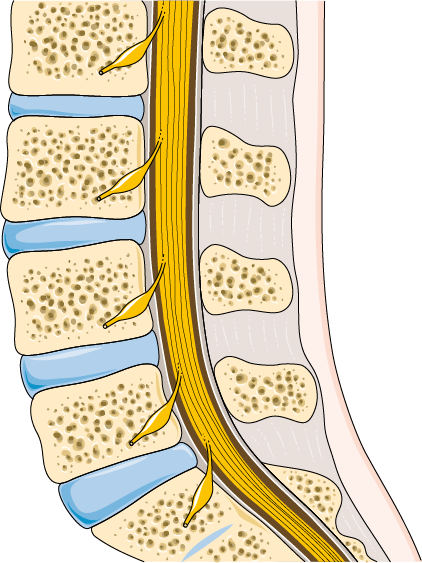
What is Cervical Spondylosis?
Cervical spondylosis is degenerative wear of the cervical spine: the discs lose height and water content, the vertebral joints develop bony overgrowths, and the ligaments thicken over time. These changes narrow the spaces through which nerve roots exit the spine, and in more advanced cases they can compress the spinal cord itself. The process begins in most people after the age of 40 and is visible on imaging in the majority of people over 60, though not everyone with imaging changes develops significant pain.
When the nerve roots are compressed, pain and neurological symptoms travel down one or both arms. This is called cervical radiculopathy. When the spinal cord itself is compressed, the pattern shifts: balance problems, weakness in the legs, and difficulty with fine motor tasks can all appear. Distinguishing between the two is essential, because they call for different treatment approaches.
The condition progresses slowly in most cases. Acute flares often settle with targeted treatment, and many people maintain good function with the right combination of interventional and physical therapy.
Symptoms
- Aching or stiff neck that is worse in the morning or after prolonged sitting
- Pain radiating into the shoulder, arm, or hand on one or both sides
- Tingling or numbness in the fingers
- Weakness in the grip or specific hand muscles
- Headaches starting at the base of the skull
- In severe cases: unsteady gait or loss of dexterity in the hands
How We Treat It
We establish the precise pain generator first. Diagnostic cervical medial branch blocks identify whether the facet joints are the primary source; transforaminal epidural steroid injections target nerve root inflammation when radiculopathy is the dominant feature. Both are performed under fluoroscopic guidance for accuracy. Steroid injections typically reduce nerve root swelling within one to two weeks, allowing rehabilitation to progress.
Where facet joint pain is confirmed and injections provide good but temporary relief, cervical radiofrequency ablation interrupts the pain signal more durably, with effects lasting 12 to 18 months on average. We combine these procedures with physiotherapy: reducing inflammation opens a window for strengthening the deep cervical muscles, which supports the spine and reduces load on the affected structures long term.
How we treat Cervical Spondylosis at GABA
Nerve Blocks
Nerve blocks inject local anaesthetic, with or without steroid, precisely alongside a pain-transmitting nerve to interrupt pain signals and provide diagnostic and therapeutic relief.
Radiofrequency Ablation
Radiofrequency ablation uses heat generated by high-frequency electrical current to interrupt pain signals from specific nerves, providing lasting relief for chronic joint and nerve pain.
Related conditions
Related services









Tell us what's hurting.
One consultation. One coordinated team. A plan built around your case.