
Procedure
Nerve Blocks
Nerve blocks inject local anaesthetic, with or without steroid, precisely alongside a pain-transmitting nerve to interrupt pain signals and provide diagnostic and therapeutic relief.
Book a consultation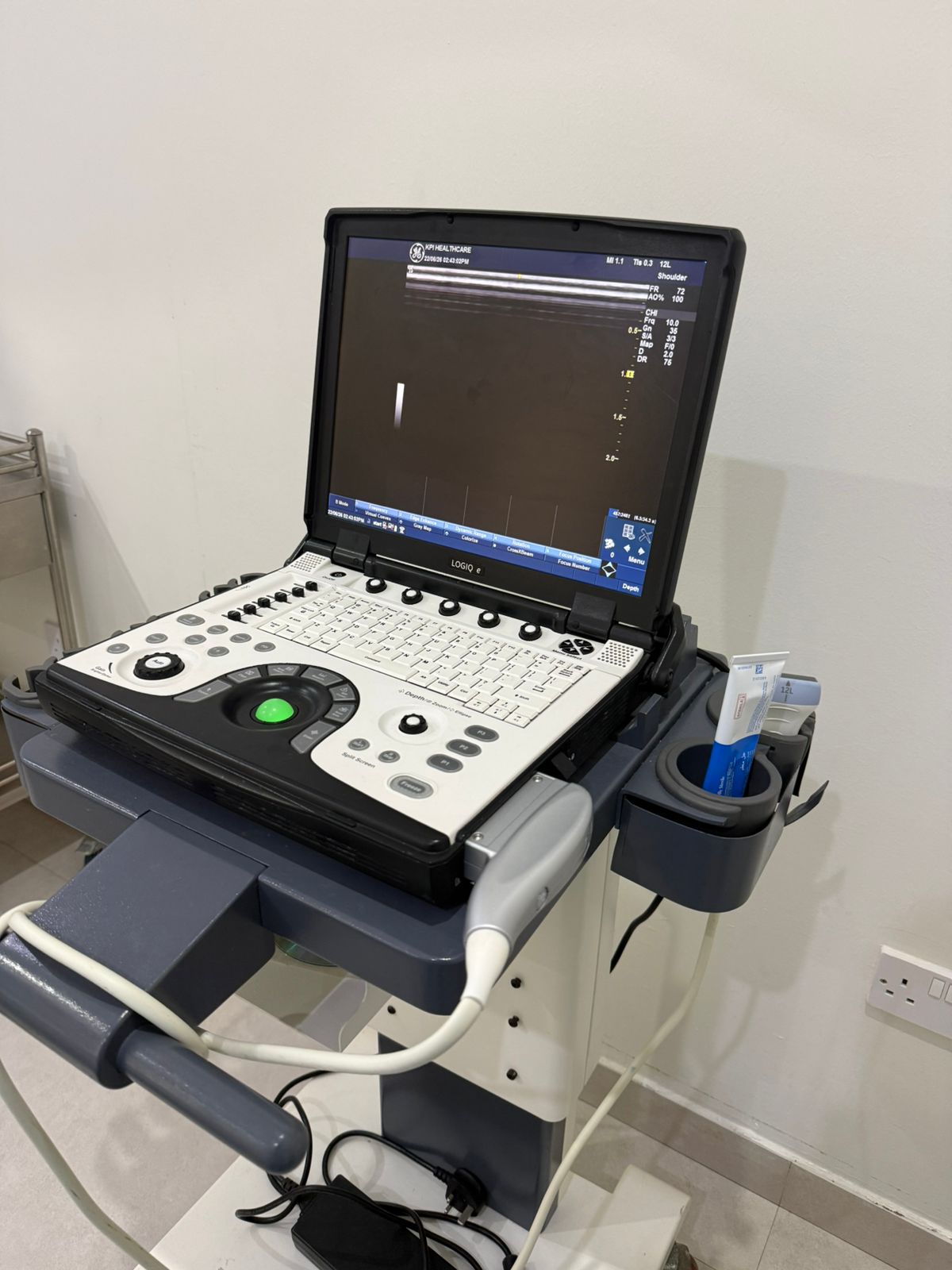
What is a Nerve Block?
A nerve block is an injection of local anaesthetic, sometimes combined with a corticosteroid, placed adjacent to a specific nerve or nerve bundle to temporarily or semi-durably interrupt pain signal transmission. The anaesthetic blocks sodium channels in the nerve membrane, preventing the electrical depolarisation that carries pain signals toward the brain. When steroid is added, it reduces inflammation around the nerve sheath, which can extend the benefit well beyond the duration of the anaesthetic itself.
Nerve blocks serve two distinct purposes. A diagnostic block uses a small volume of short-acting anaesthetic: if a patient’s pain is abolished for the expected duration of the drug, this confirms that the injected nerve is the pain source. This information guides further treatment planning, including whether radiofrequency ablation is appropriate. A therapeutic block aims to provide lasting clinical benefit, either through steroid reducing perineural inflammation or through the analgesic window allowing the nervous system’s sensitisation to reset. We perform all nerve blocks under ultrasound or fluoroscopic guidance to place the needle accurately and minimise risk.
What conditions does it treat?
Nerve blocks are useful for any condition where a clearly identifiable nerve is generating or transmitting pain. We use them for trigeminal neuralgia (targeting the trigeminal nerve branches at the trigeminal ganglion or peripheral branches), occipital neuralgia (greater and lesser occipital nerve blocks), and complex regional pain syndrome (stellate ganglion or lumbar sympathetic blocks to interrupt the sympathetic component). Post-herpetic neuralgia affecting a specific dermatome and phantom limb pain, where the residual nerve end is generating pathological signals, both respond to targeted nerve blocks as part of a broader pain management plan.
What to expect
Before: Tell us about all medications, particularly blood thinners. For deep blocks requiring fluoroscopy, fasting for a few hours may be requested. We will explain exactly which nerve is being targeted and what response to expect.
During: The skin is prepared and local anaesthetic applied. Under image guidance, a fine needle is advanced to the correct anatomical position. Contrast dye may be used to confirm spread before the therapeutic solution is injected. The procedure takes 15 to 30 minutes depending on the target.
After: You will be monitored for 30 to 60 minutes after the block. If local anaesthetic was used, the area may feel numb or altered for several hours: this is expected. Some patients experience a flare of their usual pain for 24 to 48 hours after the steroid component, before the anti-inflammatory effect takes hold. Relief from a therapeutic block can last weeks to months. If repeated blocks give good but diminishing returns, radiofrequency ablation of the same nerve is often the next step.
Related services









Tell us what's hurting.
One consultation. One coordinated team. A plan built around your case.