
Condition
Complex Regional Pain Syndrome
Complex regional pain syndrome (CRPS) is a chronic pain condition where pain, swelling, and changes to skin and blood flow persist long after the original injury has healed, driven by an abnormal nervous system response.
Book a consultation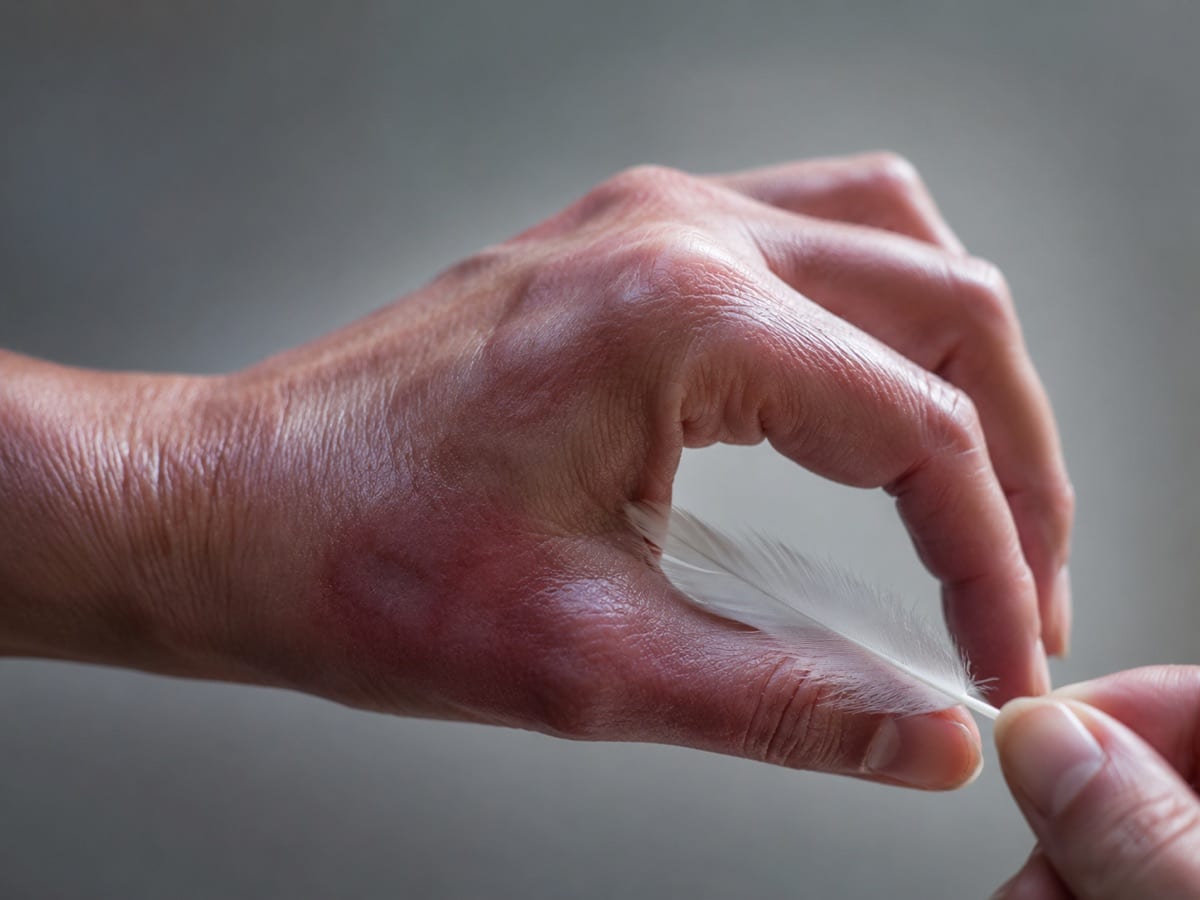
What is Complex Regional Pain Syndrome?
Complex regional pain syndrome (CRPS) is a chronic pain condition characterised by pain that is disproportionate to the severity of any original injury, accompanied by sensory, autonomic, and motor changes in the affected limb. It typically develops after a fracture, surgery, soft tissue injury, or sometimes with no identifiable trigger at all. The arm and leg are most commonly affected, with pain and changes usually limited to one limb.
Two types are recognised. CRPS Type I (formerly reflex sympathetic dystrophy) occurs without confirmed nerve injury. CRPS Type II (causalgia) follows a known nerve injury. In both, the sympathetic nervous system becomes dysregulated, leading to abnormal blood flow, sweating, and tissue changes in the affected area. The exact mechanism is not fully understood, but it involves sustained neuroinflammation, central sensitisation, and in many cases a maladaptive immune response.
Early diagnosis and treatment are critical. The longer CRPS goes unaddressed, the more the nervous system reinforces the abnormal pain state. With early intervention, a significant proportion of patients achieve meaningful recovery; late-stage CRPS is harder to reverse though still manageable.
Symptoms
- Constant, severe burning or throbbing pain in the affected limb
- Extreme sensitivity to touch or cold, with even light contact causing intense pain
- Swelling of the affected hand, foot, arm, or leg
- Skin temperature and colour changes: the limb may be hot and red, or cold and mottled
- Abnormal sweating in the affected area
- Stiffness, reduced range of movement, and muscle weakness or tremor
How We Treat It
Sympathetic nerve blocks are a central tool in CRPS management. Stellate ganglion blocks (for upper limb CRPS) or lumbar sympathetic blocks (for lower limb) interrupt the sympathetically maintained pain cycle and allow the limb to warm, reducing the hyperalgesia that makes rehabilitation impossible. Most patients need a series of blocks: repeated procedures consolidate the gains and create a sustained window for physiotherapy to work.
Intravenous regional anaesthesia with corticosteroids (Bier blocks) is another option for upper limb CRPS, reducing local inflammation and helping restore movement. We use these procedures as part of a multidisciplinary plan: physiotherapy to address the motor and sensory deficits, psychological support where the pain has become entrenched, and close monitoring to escalate to spinal cord stimulation if conservative and interventional approaches are not enough. The goal is to break the pain-disuse cycle before it becomes permanent.
How we treat Complex Regional Pain Syndrome at GABA
Related services









Tell us what's hurting.
One consultation. One coordinated team. A plan built around your case.