
Condition
Diabetic Neuropathy
Diabetic neuropathy is nerve damage caused by prolonged high blood sugar, most often producing burning pain, numbness, and hypersensitivity in the feet and lower legs.
Book a consultation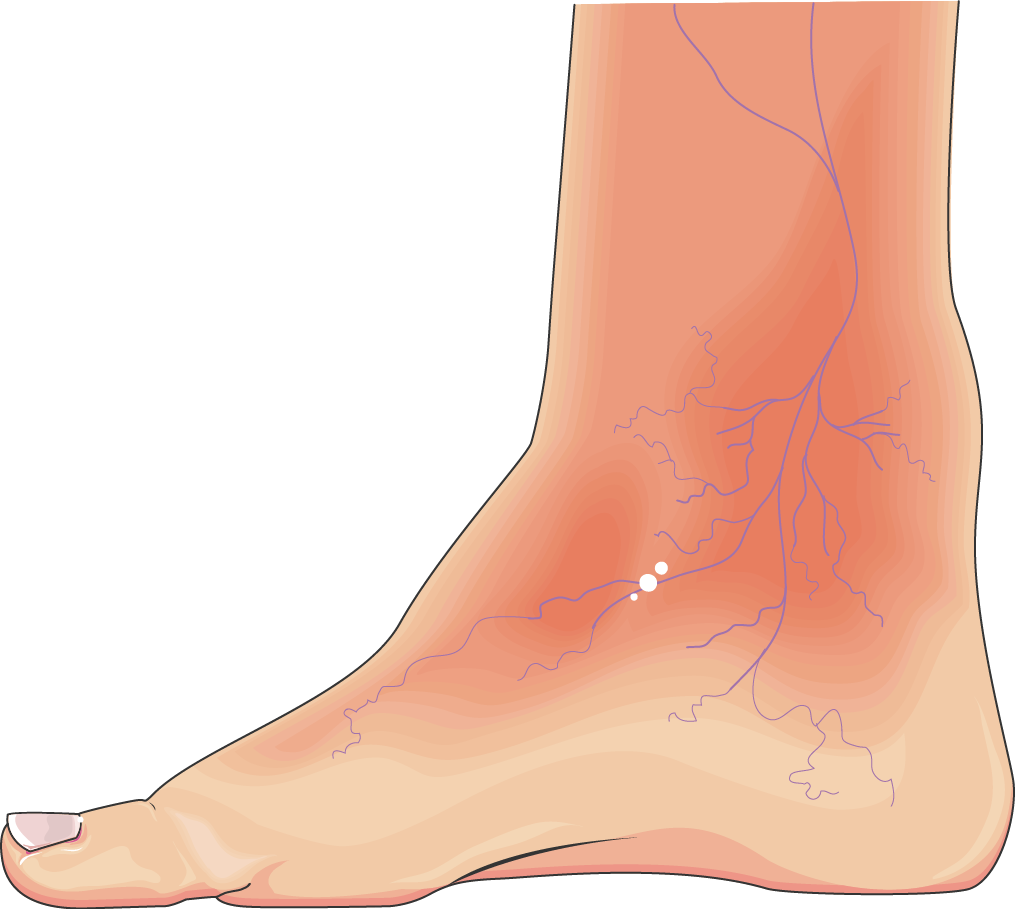
What is Diabetic Neuropathy?
Diabetic neuropathy is nerve damage driven by the metabolic effects of chronic hyperglycaemia. High blood sugar damages the small blood vessels that supply peripheral nerves, depriving the nerve fibres of oxygen and causing structural changes in the nerve itself. The result is a peripheral neuropathy: abnormal, often painful nerve signalling in the affected regions. Painful diabetic neuropathy typically develops in a symmetrical stocking-and-glove distribution, affecting the feet and lower legs first, with the hands involved later in more advanced cases.
The condition develops gradually over years, and many patients do not notice it until the nerve damage is already significant. Paradoxically, the most painful stage is not the end stage: as the neuropathy advances, sensation is lost, which reduces pain but increases the risk of undetected foot injuries and ulceration. Tight glycaemic control slows progression and reduces the risk of developing neuropathy, but once established, neuropathic pain often persists even when blood sugar is well managed.
The sensory nerves are most commonly affected, but autonomic and motor fibres can be involved too. Autonomic neuropathy in particular can cause cardiovascular, digestive, and genitourinary symptoms alongside the pain.
Symptoms
- Burning, tingling, or electric pain in both feet and lower legs, often worse at night
- Numbness or loss of sensation in the feet, with a “walking on cotton wool” feeling
- Hypersensitivity: pain triggered by light touch or even the weight of a bedsheet
- Sharp, stabbing pains that come without warning
- Weakness in the foot muscles in more advanced cases
- Poor balance due to loss of proprioception
How We Treat It
We start by optimising blood glucose control in coordination with your endocrinologist: this is the only disease-modifying step available and it limits further nerve damage. For the pain itself, first-line options include gabapentinoids and duloxetine, which modulate the abnormal pain signalling in the central nervous system. Topical capsaicin patches are an effective alternative for patients who cannot tolerate systemic medication: high-concentration capsaicin depletes substance P in peripheral nerve terminals, reducing hypersensitivity in the treated skin area for weeks to months after a single application. When these are insufficient, interventional pain procedures become valuable.
Lumbar sympathetic nerve blocks can significantly reduce the burning quality of neuropathic foot pain by interrupting the sympathetic nervous system’s amplification of the pain signal. The effect can last weeks to months after a series of blocks. For patients with a predominantly central sensitisation component, we use a structured combination of medication and nerve block to reduce the overall pain load and improve sleep and function. Our aim is to keep you mobile: pain that disrupts sleep and limits walking accelerates deconditioning, which in turn worsens the metabolic picture.
How we treat Diabetic Neuropathy at GABA
Capsaicin Patch
High-concentration capsaicin patches are applied to painful skin areas by a clinician, depleting the nerve endings of substance P to reduce neuropathic pain for weeks to months.
Nerve Blocks
Nerve blocks inject local anaesthetic, with or without steroid, precisely alongside a pain-transmitting nerve to interrupt pain signals and provide diagnostic and therapeutic relief.
Related services









Tell us what's hurting.
One consultation. One coordinated team. A plan built around your case.