Condition
Rotator Cuff Tendinopathy
Rotator cuff tendinopathy is degeneration and wear in the shoulder tendons that lift and rotate the arm. Treating the tendon tissue, not just the inflammation, is what restores function.
Book a consultation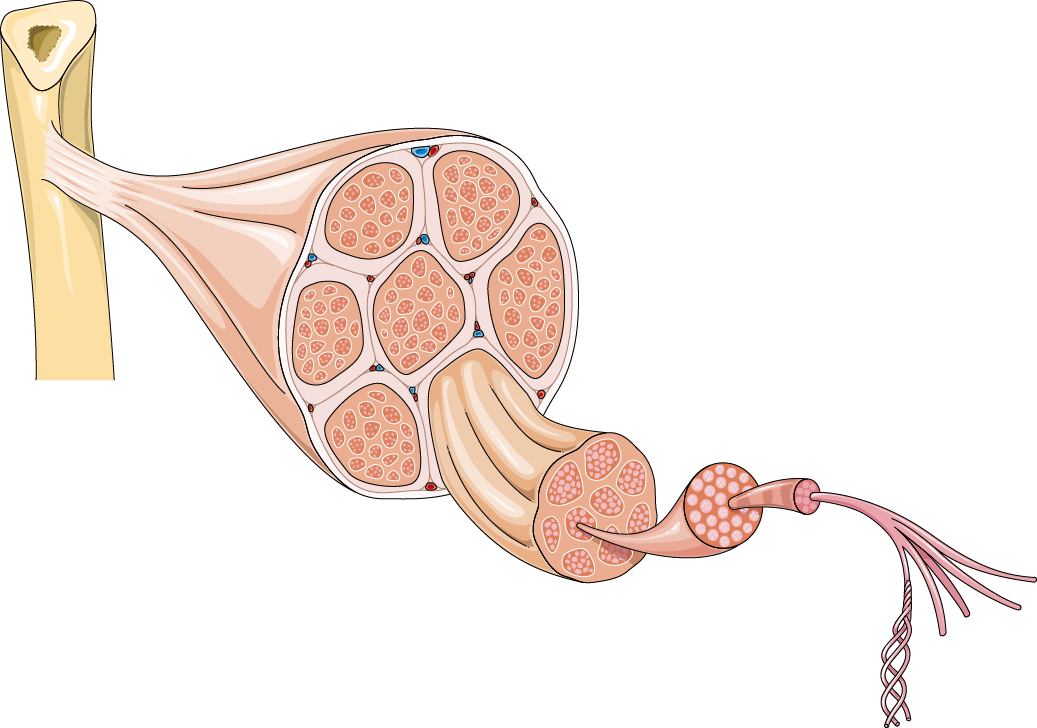
What is Rotator Cuff Tendinopathy?
The rotator cuff is a group of four tendons that hold the ball of the shoulder in its socket and let you lift and rotate the arm. Rotator cuff tendinopathy is degeneration, wear, and inflammation in these tendons, most often the supraspinatus.
It develops from a mix of factors: repetitive overhead activity, poor posture, muscle imbalance, and the natural changes that age brings to tendon tissue. Because the core problem is degeneration rather than simple inflammation, it tends to persist and often does not respond to anti-inflammatories alone.
The pain is usually a dull ache felt in the outer shoulder and upper arm. It is provoked by overhead reaching and is frequently worse at night. Ultrasound confirms the diagnosis by showing the degenerative changes and any associated tears in the tendon.
Symptoms
- A dull, aching pain in the outer shoulder and upper arm
- Pain with lifting the arm overhead or out to the side
- Night pain, particularly when lying on the affected shoulder
- Weakness when lifting or carrying
- Clicking or catching with overhead movement
- Difficulty reaching behind the back
How We Treat It
Where the tendon shows degeneration rather than acute inflammation, we favour treatments that drive genuine repair. PRP therapy concentrates your own platelets and growth factors and is delivered under ultrasound guidance to the degenerative zone, stimulating the tendon to remodel. Shockwave therapy is a non-injection alternative that uses focused acoustic energy to trigger the same healing response without needles, which suits patients who prefer to avoid injection.
When pain is severe and limiting engagement with rehabilitation, a single ultrasound-guided steroid injection can settle the acute pain and create room to start exercising, though it does not repair the tendon itself. Throughout, our physiotherapy team leads a programme of progressive rotator cuff and scapular strengthening. That loading work is the element that consistently determines long-term outcome.
How we treat Rotator Cuff Tendinopathy at GABA
Nerve Blocks
Nerve blocks inject local anaesthetic, with or without steroid, precisely alongside a pain-transmitting nerve to interrupt pain signals and provide diagnostic and therapeutic relief.
PRP Therapy
PRP therapy concentrates growth factors from your own blood and injects them into damaged tendons, joints, or soft tissue to accelerate healing and reduce pain.
Shock Wave Therapy
Shock wave therapy delivers focused acoustic pulses to damaged tendons and soft tissue to stimulate healing and reduce chronic pain in tendon and joint conditions.
Related conditions
Related services






Tell us what's hurting.
One consultation. One coordinated team. A plan built around your case.