
Procedure
PRP Therapy
PRP therapy concentrates growth factors from your own blood and injects them into damaged tendons, joints, or soft tissue to accelerate healing and reduce pain.
Book a consultation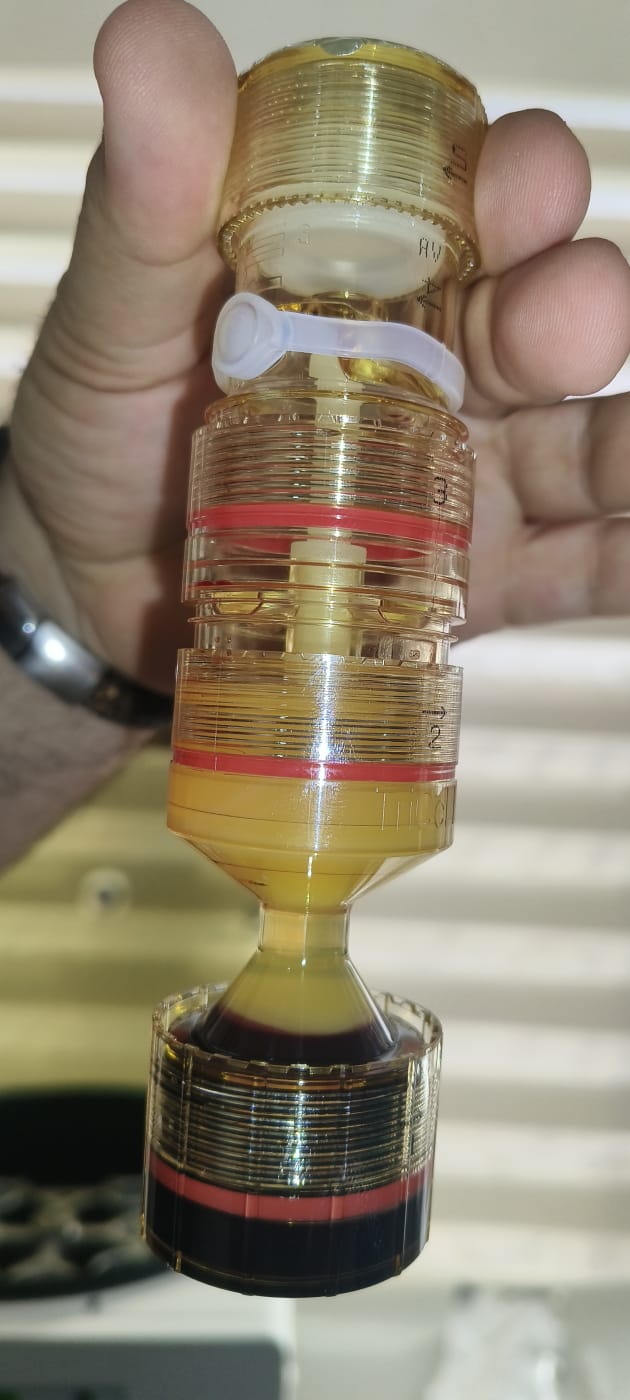
What is PRP Therapy?
Platelet-rich plasma (PRP) therapy is an autologous biological treatment: we draw a small volume of your own blood, centrifuge it to concentrate the platelets to several times their normal level, and inject the resulting plasma into the target tissue. Platelets are not just clotting cells. Their alpha granules contain over a thousand bioactive proteins, including platelet-derived growth factor (PDGF), transforming growth factor-beta (TGF-beta), vascular endothelial growth factor (VEGF), and insulin-like growth factor-1 (IGF-1). When injected into damaged tissue, these compounds recruit repair cells, promote new blood vessel formation, stimulate collagen synthesis, and push tissue from a chronically degenerate state back toward active remodelling.
Because the material comes from your own blood, the risk of allergic reaction or rejection is negligible. The preparation varies: leukocyte-rich PRP, which retains white cells, is preferred for tendon conditions where an anti-infective effect is useful. Leukocyte-poor PRP is used for intra-articular injection where excess inflammation would be counterproductive. We select the formulation based on the structure being treated.
What conditions does it treat?
Tendinopathy is the strongest indication for PRP. Tendons have a limited blood supply and heal poorly once degenerated; the concentrated growth factors in PRP overcome this vascular barrier. We use it for chronic tennis elbow (lateral epicondylitis), plantar fasciitis, patellar tendinopathy, and rotator cuff tendinopathy, particularly when a course of physiotherapy and other treatments has given incomplete relief. For knee osteoarthritis, PRP injections reduce synovial inflammation and may slow cartilage loss, providing pain relief over 6 to 12 months.
What to expect
Before: Stop non-steroidal anti-inflammatory drugs (ibuprofen, naproxen, diclofenac) at least 5 days before the procedure and for 4 to 6 weeks afterward, as they suppress the inflammatory cascade that PRP is trying to activate. Tell us about any blood disorders or recent illness.
During: A standard blood draw (typically 15 to 30 ml) is performed, then the blood is centrifuged for 10 to 15 minutes. The resulting PRP is injected into the target structure under ultrasound guidance to confirm accurate placement. The injection itself takes a few minutes; the full appointment is around 45 minutes.
After: A post-injection pain flare lasting 3 to 5 days is common and not a sign that the treatment has failed: it reflects the inflammatory phase the treatment is designed to trigger. Rest from high-load activity for one to two weeks. Structured physiotherapy with progressive loading begins after this rest period, as PRP without rehabilitation delivers incomplete results. Most patients notice meaningful improvement at 6 to 12 weeks; full benefit at 3 to 6 months.
Conditions this treats
Related services





Tell us what's hurting.
One consultation. One coordinated team. A plan built around your case.