
Condition
Shoulder Pain
Shoulder pain most commonly comes from the rotator cuff, bursa, or joint capsule. Accurate diagnosis changes everything about which treatment will actually help.
Book a consultation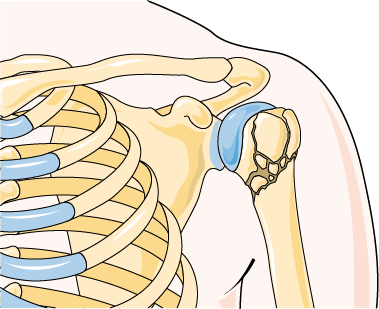
What is Shoulder Pain?
The shoulder has more range of motion than any other joint in the body, which also makes it prone to a specific set of problems. Rotator cuff tendinopathy is the most common, producing pain with overhead activity and at night when lying on the affected side. The rotator cuff is a group of four tendons that hold the ball of the shoulder in its socket. Repeated strain or degeneration causes microtears and pain.
Frozen shoulder (adhesive capsulitis) is different in character: the joint capsule itself thickens and contracts, restricting movement, especially rotation. It follows a slow, painful trajectory over months to years if left untreated. Subacromial bursitis is another frequent cause, where the bursa between the tendon and bone becomes inflamed and painful.
Glenohumeral or acromioclavicular joint arthritis tends to present with deeper, grinding pain and stiffness rather than sharp or movement-specific pain. Getting the diagnosis right matters because each condition responds to a different approach.
Symptoms
- Pain in the outer shoulder, sometimes radiating to the upper arm
- Pain with lifting the arm to the side or overhead (painful arc)
- Night pain, particularly when lying on the affected shoulder
- Stiffness and restricted rotation, especially in frozen shoulder
- A catching or grinding sensation during movement
- Weakness when lifting or carrying objects
How We Treat It
We start with a thorough assessment to identify which structure is generating the pain. For rotator cuff tendinopathy and bursitis, ultrasound-guided steroid injections provide targeted anti-inflammatory effect and are far more accurate than landmark-based injections. Where the tendon has degenerative changes rather than acute inflammation, shockwave therapy is often the better choice, stimulating repair in the tendon tissue directly.
For frozen shoulder, capsular injection with corticosteroid is the most effective way to reduce the inflammatory phase and allow physiotherapy to restore range of motion. We work closely with our physiotherapy team throughout because manual therapy and specific rotator cuff and scapular strengthening exercises are what maintain the gains from any injection we do.
How we treat Shoulder Pain at GABA
Intra-Articular Injections
Intra-articular injections deliver medication directly into a joint space to reduce inflammation and pain in arthritis, injury, and other joint conditions.
Nerve Blocks
Nerve blocks inject local anaesthetic, with or without steroid, precisely alongside a pain-transmitting nerve to interrupt pain signals and provide diagnostic and therapeutic relief.
Shock Wave Therapy
Shock wave therapy delivers focused acoustic pulses to damaged tendons and soft tissue to stimulate healing and reduce chronic pain in tendon and joint conditions.
Related conditions
Related services









Tell us what's hurting.
One consultation. One coordinated team. A plan built around your case.