
Condition
Tennis Elbow
Tennis elbow is a degenerative tendon condition at the outer elbow, not a sports injury. It responds well to PRP and shockwave therapy when the underlying tissue pathology is addressed.
Book a consultation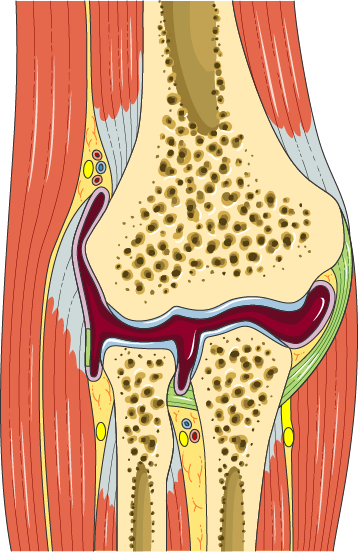
What is Tennis Elbow?
Tennis elbow, the clinical name for lateral epicondylitis, is a degenerative condition of the extensor tendons where they attach to the outer elbow. Despite the name, it has nothing to do with playing tennis. It affects people who perform repetitive gripping or wrist extension movements: keyboard users, manual workers, surgeons, mechanics. The pathology is tendinosis, not tendinitis. There is degeneration in the tendon tissue itself rather than acute inflammation, which is why it tends to be persistent and why standard anti-inflammatories often fail to resolve it.
The pain is felt on the outer side of the elbow and typically worsens with gripping, turning a door handle, shaking hands, or lifting with the palm facing down. Ultrasound can confirm the diagnosis by showing characteristic degenerative changes in the extensor tendon.
Left untreated, the condition can persist for 12 to 18 months. With the right approach it usually responds well within weeks.
Symptoms
- Pain and tenderness on the outer elbow at the lateral epicondyle
- Pain that worsens with gripping, lifting, or twisting the wrist
- Weakness in grip strength
- Discomfort when extending fingers against resistance
- Pain radiating down the outer forearm
- Stiffness in the elbow, especially in the morning
How We Treat It
We favour PRP injection as the primary interventional option for tennis elbow. It concentrates your own platelets and growth factors at the site of tendon degeneration to stimulate real tissue repair, which is what the tendon needs. This is delivered under ultrasound guidance so the injection reaches the degenerative zone precisely. Results typically develop over 4 to 8 weeks as the tissue remodels.
Shockwave therapy is a non-injection alternative that delivers focused acoustic energy to the tendon, stimulating the same healing response without needles. For patients with significant acute pain who need rapid relief before committing to a rehabilitation programme, a single ultrasound-guided steroid injection can settle the pain, though it does not address the underlying tendinosis. We combine all of these with specific eccentric loading exercises under physiotherapy supervision, which is the one element that consistently improves long-term outcomes.
How we treat Tennis Elbow at GABA
Nerve Blocks
Nerve blocks inject local anaesthetic, with or without steroid, precisely alongside a pain-transmitting nerve to interrupt pain signals and provide diagnostic and therapeutic relief.
PRP Therapy
PRP therapy concentrates growth factors from your own blood and injects them into damaged tendons, joints, or soft tissue to accelerate healing and reduce pain.
Shock Wave Therapy
Shock wave therapy delivers focused acoustic pulses to damaged tendons and soft tissue to stimulate healing and reduce chronic pain in tendon and joint conditions.
Related conditions
Related services








Tell us what's hurting.
One consultation. One coordinated team. A plan built around your case.