
Condition
Nociplastic Pain
Nociplastic pain is genuine pain that arises from altered pain processing in the nervous system, without ongoing tissue damage or nerve injury to explain it.
Book a consultation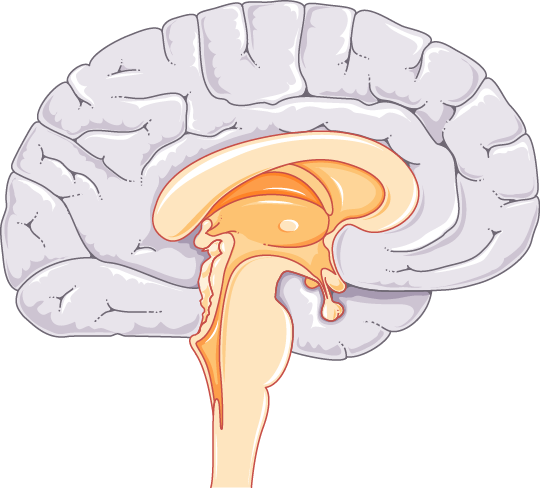
What is Nociplastic Pain?
Nociplastic pain is the third recognised category of pain, alongside pain from tissue damage and pain from nerve injury. It arises from a change in how the nervous system itself processes pain, rather than from any active damage that imaging or tests can pinpoint.
In this state the pain system becomes oversensitive. The spinal cord and brain amplify signals and lower the threshold at which sensations register as painful, so the pain you feel is out of proportion to anything found in the tissues. This is central sensitisation, and the pain it produces is entirely real.
Conditions such as fibromyalgia, some forms of chronic low back pain, and irritable bowel syndrome sit within this group. Recognising pain as nociplastic changes the treatment, because chasing a structural cause that is not there leads to repeated tests and procedures that do not help.
Symptoms
- Pain that is widespread or moves around rather than staying in one spot
- Pain out of proportion to any injury or finding on scans
- Heightened sensitivity to touch, pressure, temperature, or sound
- Poor sleep, fatigue, and difficulty concentrating
- Pain that flares with stress and persists long after any injury healed
- Limited or short-lived response to standard painkillers
How We Treat It
Treating nociplastic pain means working with the nervous system rather than searching for damage to repair. We focus on calming the oversensitive pain system through medications that act centrally, paced activity, sleep, and strategies that retrain the pain response over time. Setting realistic expectations is part of the treatment, because the goal is to turn the pain down, not to find a switch that turns it off.
Where a specific peripheral pain generator is feeding into the sensitised system, a targeted nerve block can reduce that input and lower the overall pain load. We use such procedures selectively and as part of the wider plan, not as a standalone answer, since the core of the problem lives in pain processing itself.
Related conditions
Related services








Tell us what's hurting.
One consultation. One coordinated team. A plan built around your case.