
Condition
Migraine
Migraine is a neurological condition causing recurrent moderate-to-severe head pain, often one-sided and throbbing, with accompanying nausea and sensitivity to light and sound.
Book a consultation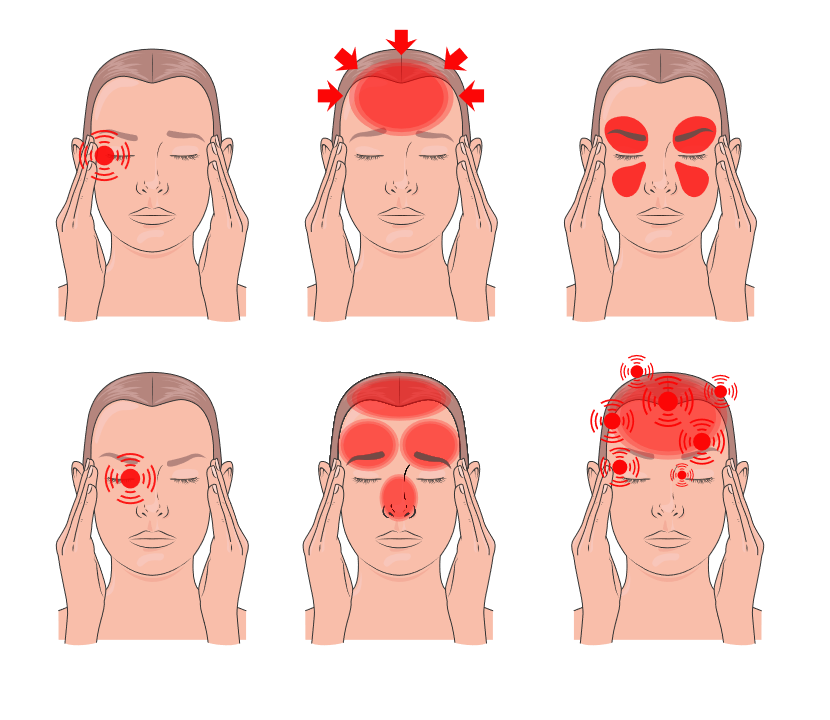
What is Migraine?
Migraine is a neurological disorder, not simply a bad headache. It involves abnormal brain activity that spreads across the cortex, triggers inflammation around the blood vessels surrounding the brain, and sensitises pain pathways in a way that makes ordinary stimuli feel overwhelming. An attack typically has four phases: a prodrome of mood changes and fatigue one to two days before; an aura of visual or sensory disturbances in about one in five patients; the headache phase itself lasting 4 to 72 hours; and a postdrome of exhaustion and brain fog that can persist for a day after the pain resolves.
The headache is typically moderate to severe, often one-sided, and has a pulsating quality that worsens with physical activity. Nausea, vomiting, and extreme sensitivity to light and sound are characteristic features that distinguish it from other headache types. Triggers vary between people: common ones include hormonal changes, sleep disruption, stress, certain foods, bright lights, and weather changes.
Migraine becomes chronic when attacks occur on 15 or more days per month. At that frequency, the condition significantly impairs work and daily life, and the standard approach of treating individual attacks is no longer sufficient.
Symptoms
- Moderate to severe head pain, usually on one side, with a pulsating or throbbing quality
- Nausea or vomiting during the headache phase
- Sensitivity to light, sound, and sometimes smell
- Visual aura: flashing lights, zigzag lines, or temporary blind spots before the headache
- Pain that worsens with routine physical activity
- Fatigue, mood changes, or neck stiffness in the hours or days before an attack
How We Treat It
For chronic migraine (15 or more headache days per month), Botox injections are our primary interventional tool. We follow the PREEMPT protocol: 31 injections across seven muscle groups in the head and neck, delivered every 12 weeks. Most patients see a significant reduction in monthly headache days after two treatment cycles. The effect builds over successive treatments.
For patients with a significant cervicogenic component, or those who need faster relief between Botox cycles, greater occipital nerve blocks provide rapid pain reduction. A small injection at the base of the skull interrupts the pain signal and can break a prolonged migraine cycle. We combine these procedures with guidance on trigger identification and preventive medication where appropriate: the goal is to reduce attack frequency, severity, and the reliance on acute medications that can themselves cause rebound headache when overused.
How we treat Migraine at GABA
Botox for Migraine
Botox injections for chronic migraine use small doses of botulinum toxin to block pain signalling in the head and neck muscles, reducing attack frequency over three to six months.
Nerve Blocks
Nerve blocks inject local anaesthetic, with or without steroid, precisely alongside a pain-transmitting nerve to interrupt pain signals and provide diagnostic and therapeutic relief.
Related conditions
Related services









Tell us what's hurting.
One consultation. One coordinated team. A plan built around your case.