
Procedure
Hyaluronic Acid Injection
Hyaluronic acid injections restore joint lubrication in osteoarthritis, reducing friction, cushioning cartilage, and relieving pain in the knee, hip, and shoulder.
Book a consultation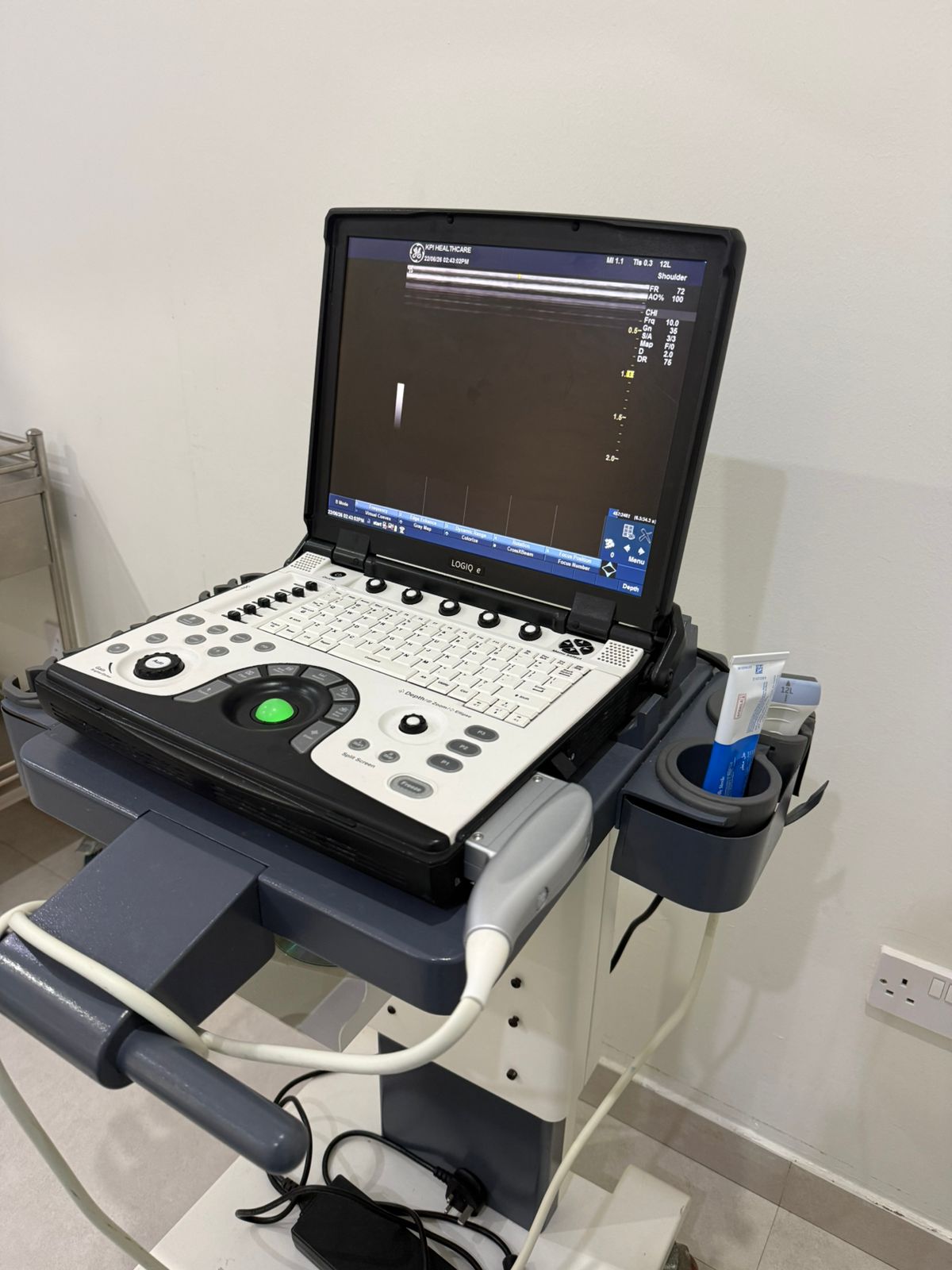
What is a Hyaluronic Acid Injection?
Hyaluronic acid (HA) is a naturally occurring polysaccharide that is one of the main components of healthy synovial fluid. It gives joint fluid its viscous, lubricating properties: in a healthy joint, HA molecules form long chains that act as both a shock absorber and a lubricant for cartilage surfaces. In osteoarthritis, the concentration and molecular weight of HA in the joint drops significantly, contributing to increased friction, cartilage wear, and pain. Viscosupplementation replaces this depleted HA by injecting a pharmaceutical-grade preparation directly into the joint space.
Beyond lubrication, exogenous HA has direct biological effects: it binds to receptors on synovial cells and chondrocytes that reduce the production of inflammatory mediators, and it activates the joint’s own HA-producing cells, potentially prolonging the benefit beyond what the injected material alone would provide. Preparations vary in molecular weight and cross-linking, which affects how long they remain in the joint, typically 3 to 6 months.
What conditions does it treat?
HA injection is primarily indicated for mild to moderate osteoarthritis of the knee, where the evidence base is strongest. We also use it for the hip and glenohumeral shoulder joint in patients with osteoarthritis who have not responded adequately to physiotherapy, oral analgesics, or corticosteroid injection. It is a good option when steroid injections have given good but short-lived relief, as HA avoids the potential long-term cartilage effects associated with repeated high-dose steroid use.
What to expect
Before: No specific preparation is required. Tell us about any hyaluronate or avian protein allergy (some HA preparations are derived from rooster comb). Blood thinners should be reviewed with us prior to the appointment.
During: The skin is cleaned and local anaesthetic applied. Under ultrasound or fluoroscopic guidance, a fine needle is placed accurately in the joint space and the HA gel is injected slowly. The procedure takes 10 to 15 minutes. Some patients feel slight pressure during the injection due to the gel’s viscosity.
After: Mild swelling or discomfort at the injection site for 24 to 48 hours is normal. Avoid strenuous activity for the first two days. Unlike corticosteroid, HA does not produce rapid relief: the benefit builds over 4 to 8 weeks. Peak effect is typically at 2 to 3 months and can last 6 months or longer. The injection can be repeated if it has been effective.
Conditions this treats
Related services









Tell us what's hurting.
One consultation. One coordinated team. A plan built around your case.